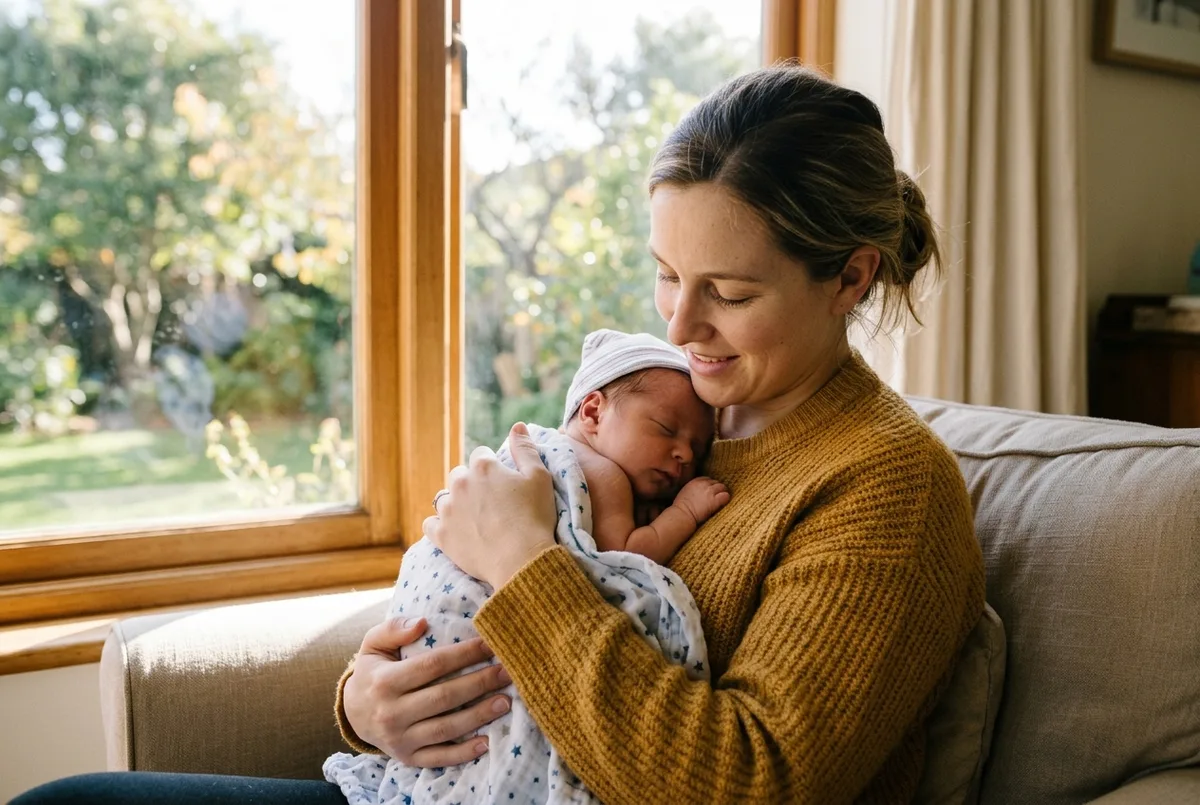
RSV (respiratory syncytial virus) causes cold-like symptoms in most people, but it can make young babies very sick. Local reporting on November 19, 2026 noted that RSV cases are starting to increase in Bexar County, at the same time as an early flu season. The good news: babies can now be protected before RSV reaches them.
Two ways to protect a baby
The CDC recommends that all babies be protected from severe RSV by one of two options: a maternal RSV vaccine given to the mother during pregnancy, or an RSV antibody given to the baby. Most babies do not need both.
The RSV vaccine during pregnancy
- It is given during weeks 32 through 36 of pregnancy.
- It is recommended if you are in that window during September through January in most of the U.S.
- It takes about 2 weeks for protection to develop, and the protection passes to the baby.
- Protection lasts approximately 6 months after birth.
The RSV antibody for babies
- An RSV antibody (nirsevimab or clesrovimab) is recommended for all babies younger than 8 months whose mothers did not get the RSV vaccine during pregnancy.
- For babies born during October through March, it is given within 1 week after birth, often before leaving the hospital.
- It lasts at least 5 months, enough to cover a baby's first RSV season.
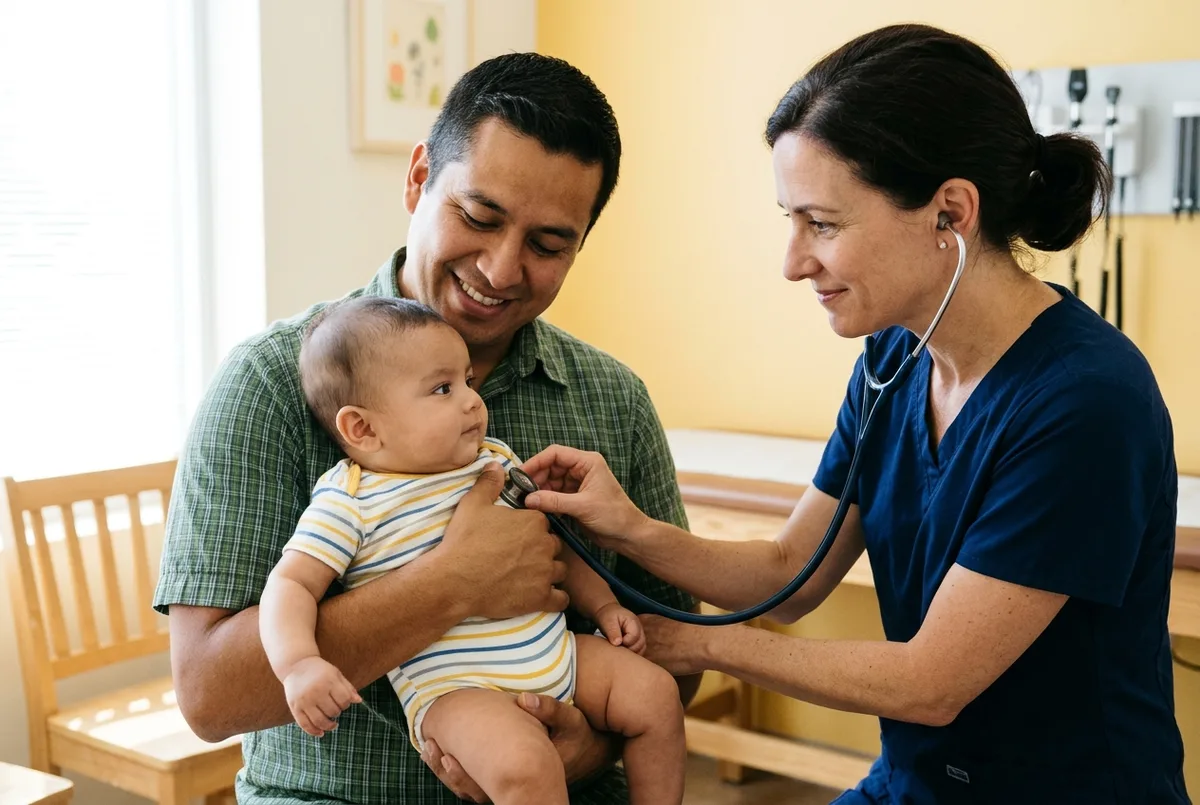
Some older babies need a second season of protection
Children 8 to 19 months old who are at increased risk, such as babies born early with chronic lung disease, children with a severely weakened immune system or severe cystic fibrosis, and American Indian or Alaska Native children, can get nirsevimab shortly before their second RSV season.
Nirsevimab is covered by the Vaccines for Children program for children 18 and under who are Medicaid-eligible, uninsured, underinsured, or American Indian or Alaska Native.
What to ask at your next visit
- If you are pregnant: whether the RSV vaccine fits your timing, and what to tell your baby's doctor after birth.
- If your baby was born this season: whether they got the RSV antibody in the hospital. Check the discharge papers and bring them to the first checkup.
- If your baby is older than 8 months and was born early or has a lung, heart or immune condition: whether they qualify for a second-season dose.
Everyday steps still help
Wash hands before holding a baby, keep anyone who is sick away from newborns, and avoid crowds with very young babies when you can. Make sure the adults and older children around your baby are up to date on their flu shots too.
When to call us
Call your A thru Z Pediatrics office if your baby has a cough or cold and is feeding less, has fewer wet diapers, or seems unusually sleepy. Call 911 or go to the nearest ER if your baby is struggling to breathe, has pauses in breathing, or has bluish lips or skin. To ask about RSV protection for your baby, request a visit online.
References
- Texas Public Radio / San Antonio Report. San Antonio flu season is several weeks early, but there's still time to get the shot (Nov 19, 2026). View source
- Centers for Disease Control and Prevention. Immunizations to Protect Infants (RSV). View source
This article is general information, not medical advice. If you have concerns about your child's health, call your A thru Z Pediatrics office.