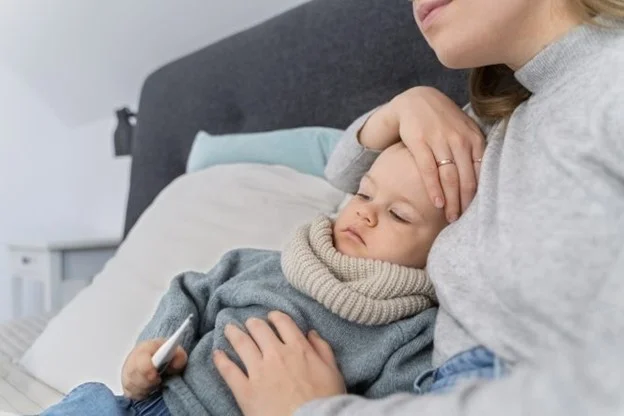
Why RSV Deserves Your Attention
Respiratory Syncytial Virus (RSV) is the top cause of infant hospitalisation for bronchiolitis and pneumonia in the United States. The virus inflames tiny airways, leading to wheeze, rapid breathing, and oxygen dips. Premature babies, ex‑preemies with chronic lung disease, and infants younger than six months carry the highest risk of severe illness.
The Centers for Disease Control and Prevention tracks regional RSV surges; Texas typically peaks from November through February (CDC RSV surveillance map). Planning now, before cold fronts arrive, means fewer midnight ER runs later.
Early RSV Symptoms Babies Show
Pro tip: Use a nasal saline drop followed by a bulb or electric aspirator, clear breathing helps babies finish bottles, maintain hydration, and avoid hospital IVs.
Red‑Flag Breathing Signs, Go Now
- Fast breathing: > 60 breaths per minute at rest
- Chest retractions: Skin pulling under ribs or at collarbone
- Nasal flaring: Outward movement of nostrils each breath
- Grunting: Soft “ugh” sound on exhale, baby is using extra muscles
- Blue tint around lips or fingertips
These cues mean oxygen exchange is strained. Head to the nearest pediatric‑ready ER or urgent clinic immediately.
Home‑Care Toolkit for Mild RSV
Avoid OTC cough syrup, no products are approved under age four, and they mask worsening signs.
Can RSV Be Prevented?
1. Maternal RSV Vaccine
The FDA approved an RSV vaccine for pregnant women in 2023; one shot between 32-36 weeks passes protective antibodies to the baby for the first six months of life.
2. nirsevimab Antibody Shot
High‑risk infants (premature ≤ 35 weeks, chronic lung or heart disease) qualify for this long‑acting monoclonal injection, given once before season start. Ask us during your newborn visit.
3. Everyday Defenses
- Breastfeed if possible, human milk supplies RSV‑specific IgA.
- Enforce a no‑kiss rule during outbreaks.
- Wash hands (and sanitize phones) before each cuddle.
- Keep older siblings’ daycare clothes off shared couches.
For full eligibility details, see the AAP’s prevention guidance (AAP RSV prophylaxis update).
Myth‑Busting Corner
Myth 1: “RSV is just a bad cold.”
Reality: It can send 2-3 percent of U.S. infants to hospital respiratory support each season.
Myth 2: “Only babies with fever have RSV.”
Reality: Up to 30 percent of severe cases present without fever; breathing work tells the real story.
Myth 3: “An air purifier stops RSV.”
Reality: RSV spreads mainly via droplets on hands, toys, and fabrics, hand hygiene beats HEPA alone.
Sample 72‑Hour Monitoring Log
Bring this sheet to your appointment; trend lines guide treatment speed.
Evidence‑Based Treatment Options
Antibiotics play no role unless a secondary bacterial pneumonia appears, overuse breeds resistance and gut imbalance.
Protecting NICU Grads & Preemies
Preterm lungs lack surfactant reserves and have narrower airways. If your baby was born before 35 weeks:
- Avoid crowded indoor events during peak months.
- Check for synagis or nirsevimab coverage with insurance.
- Use a travel bassinet cover at well‑child visits to block cough droplets.
External Resources for Extra Peace of Mind
- RSV in Infants, Mayo Clinic explains symptoms, complications, and care.
- HealthyChildren.org Cold vs RSV, AAP’s infographic on when to call the doctor.
Both links open in new tabs so you can keep this guide handy.
Breath Easy With Early Action
Recognising the first stuffy nose and subtle chest tug can keep RSV from escalating. Track feeds and breaths, practise nose care, and don’t hesitate to get professional eyes on your little one.
Need Rapid Relief?
Secure same‑day RSV care, our pediatric team will check oxygen, suction airways, and start treatment today.
This article is general information, not medical advice. If you have concerns about your child's health, call your A thru Z Pediatrics office.