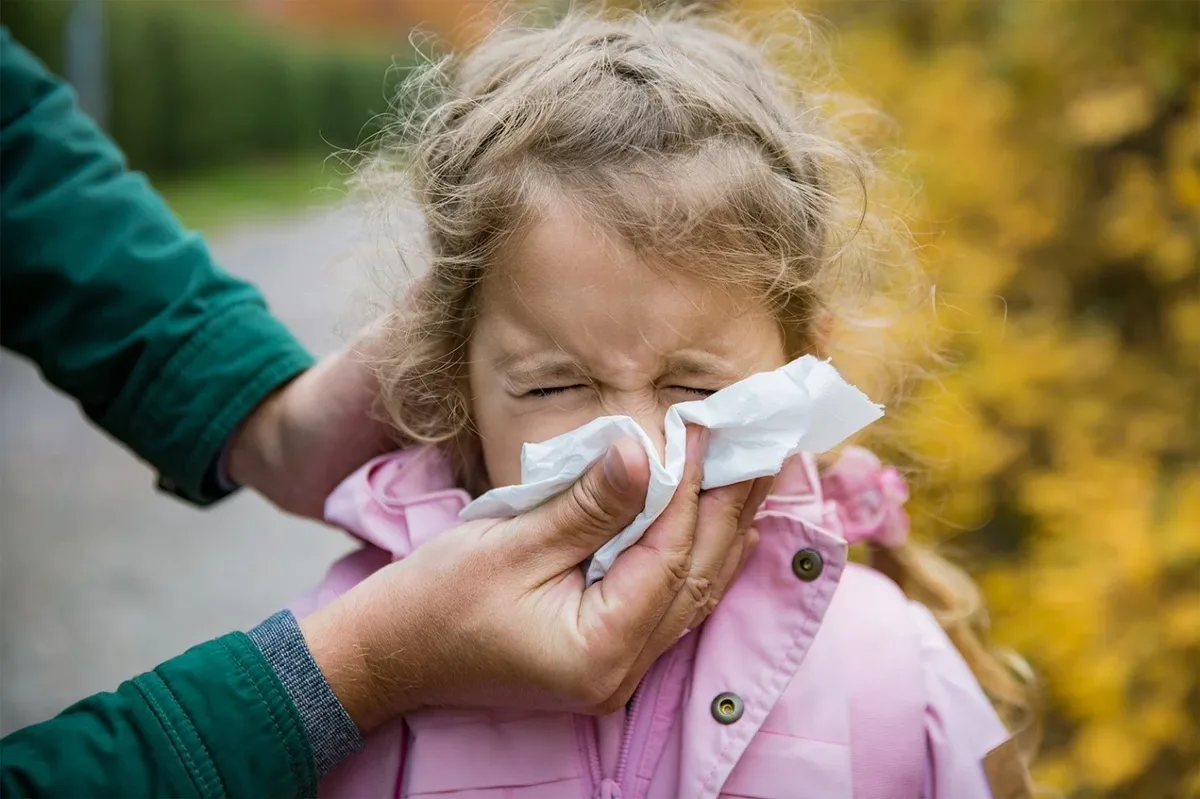
Why Seasonal Allergies Feel Worse for Kids
Children breathe faster and closer to the ground, right where pollen swirls. Their immune systems over‑react when tree, grass, or ragweed particles enter the nose, releasing histamine that sparks sneezes, itchy eyes, and post‑nasal drip. Untreated, allergies can morph into sinus infections or trigger asthma flares. The American College of Allergy, Asthma & Immunology estimates that allergies account for 2 million missed school days annually. Starting preventive care two weeks before local pollen peaks keeps sniffles, and school absences, at bay.
Pollen Peaks in Texas Hill Country
*Counts via local National Allergy Bureau station; 150+ often triggers symptoms in sensitized kids.
Home‑Care vs Prescription: Decision Flowchart
- Mild, intermittent sniffles → Start saline spray + antihistamine
- Daily symptoms ≥ 2 weeks → Add intranasal steroid
- Itchy, red eyes despite above → Mast‑cell stabilizer drops
- Night cough, wheeze, or school impact → Allergy testing + controller meds
Keep a symptom diary; bring it to your visit for tailored dosing.
Core Toolkit Items (and How to Use Them)
Use steroid spray daily through the season, even when symptoms fade; skipping doses lets inflammation rebound.
Pollen‑Proof Routine (School Day)
Skipping the post‑school change can triple indoor pollen load, studies show.
DIY Allergen Barriers
- Petroleum jelly dab just inside nostrils, traps grains before they irritate.
- Wide‑brim cap + sunglasses on playground days, keeps pollen off lashes and scalp.
- Car windows up during high counts; set AC to re‑circulate.
- HEPA vacuum twice weekly; wet dust furniture to avoid pollen lofting.
Laundry tip: add ½ cup white vinegar to rinse, acid lifts pollen proteins from fabric.
When OTC Isn’t Enough, Prescription Options
Immunotherapy cuts symptom‑med days by 65 percent in ragweed‑allergic kids.
Food‑Pollen Cross‑Reactions
Cook or peel fruit to reduce proteins; carry antihistamines for mild oral allergy syndrome.
Myth‑Busting Corner
Myth 1: “Pet dander allergies disappear outside pollen season.”
Reality: Indoor allergens remain year‑round; dual‑sensitized kids need continuous control.
Myth 2: “Nasal steroids stunt growth.”
Reality: Pediatric doses show no significant height impact; uncontrolled allergy sleep loss hampers growth more.
Myth 3: “Local honey cures pollen allergies.”
Reality: Wind‑borne pollen (culprit) differs from bee‑collected varieties; evidence is anecdotal at best.
Red‑Flag Escalation Signs
- Breathing faster than 30 breaths/min at rest
- Wheeze audible without stethoscope
- Night cough waking child > 2 times a week
- Peak‑flow < 80 % personal best despite meds
- Facial swelling or hives after allergen exposure
Seek same‑day care for injectable steroid or nebulized bronchodilator when these appear.
Sample Symptom Diary (Ragweed Season)
Bring this log to your consult, objective patterns guide step‑up therapy.
External Resources Parents Trust
- Pollen.com Email Alerts, daily counts straight to inbox.
- AAAAI Allergy Forecast, interactive map for travel planning.
Both open in new tabs for quick reference.
Action Plan Recap
- Start meds two weeks pre‑season.
- Track symptoms + pollen counts.
- Use HEPA + hygiene to cut indoor load.
- Escalate to Rx or testing if daily life suffers.
Next Step: Pinpoint Triggers
Ask about allergy testing today, our clinic offers skin‑prick and blood IgE panels to craft a personalized treatment roadmap.
This article is general information, not medical advice. If you have concerns about your child's health, call your A thru Z Pediatrics office.