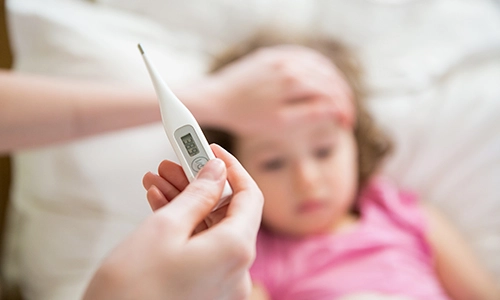
Understanding Pneumonia
Pneumonia is an infection that inflames the air sacs in one or both lungs, which may fill with fluid or pus, causing cough with phlegm, fever, chills, and difficulty breathing. It can be caused by a variety of organisms, including bacteria, viruses, and fungi. Pneumonia can range in seriousness from mild to life-threatening and is particularly dangerous for infants, young children, and those with weakened immune systems.
Recognizing Symptoms of Pneumonia
You might notice several signs in your child that could indicate pneumonia:
- Cough: Persistent cough that may produce mucus or phlegm.
- Fever: High fever, often accompanied by chills.
- Breathing Difficulties: Rapid, shallow breathing, or shortness of breath.
- Chest Pain: Discomfort or pain in the chest, especially when coughing or breathing deeply.
- Fatigue: Extreme tiredness and lack of energy.
- Loss of Appetite: Reduced desire to eat or drink.
- Sweating and Shaking Chills: Episodes of sweating and shaking chills.
- Nausea and Vomiting: Gastrointestinal symptoms, particularly in children.
- Bluish Lips or Fingernails: Indicative of low oxygen levels in the blood.
This page is general information, not medical advice. If you are worried about your child, call your office, and for an emergency, call 911.